Why Whistleblowers Matter
Every investigation starts with someone who talks By Justin Armsden
Journalism is a tough game. It’s hard to expose the truth and the nasty people who take advantage of the innocent, vulnerable and sometimes gullible, because so many people fear speaking out due to the threat of retribution.
I’ve witnessed that over many years chasing complex stories.
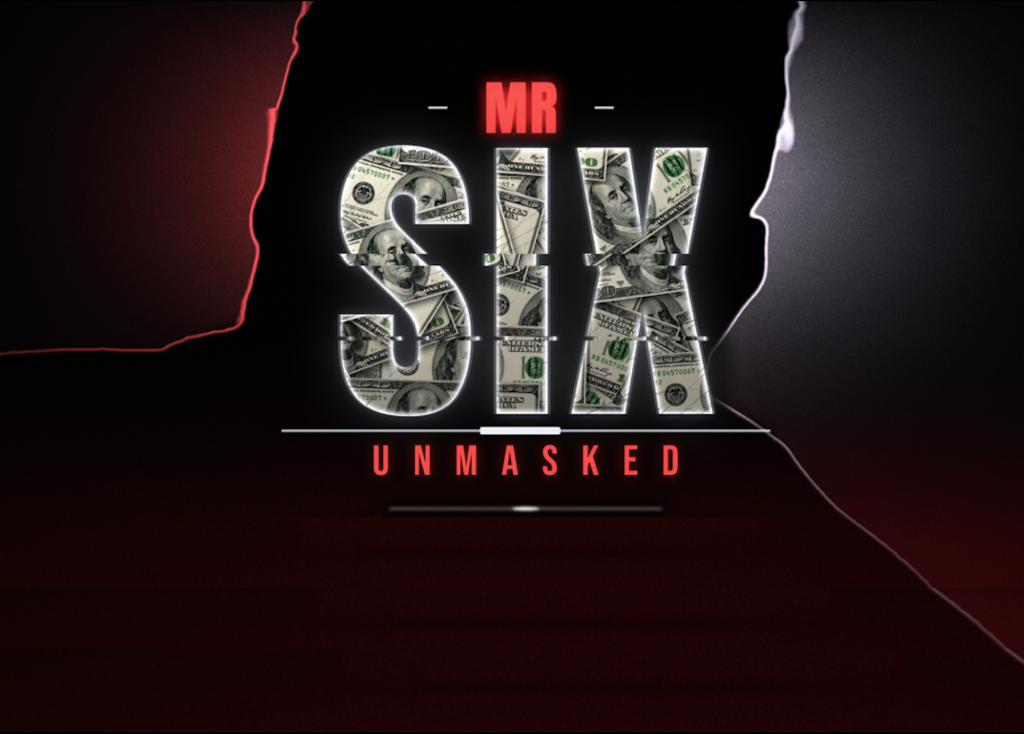
Mr Six exists because people inside the Manhattan Private Credit operation decided the truth mattered more than their own comfort.
Scott Campbell Fisher ran a scheme under six different names across several countries, and for a long time the paperwork looked clean. No regulator kicked the door in. No algorithm flagged it. What cracked it open were human beings who had seen enough and were willing to say so.
That is the uncomfortable reality of investigative journalism.
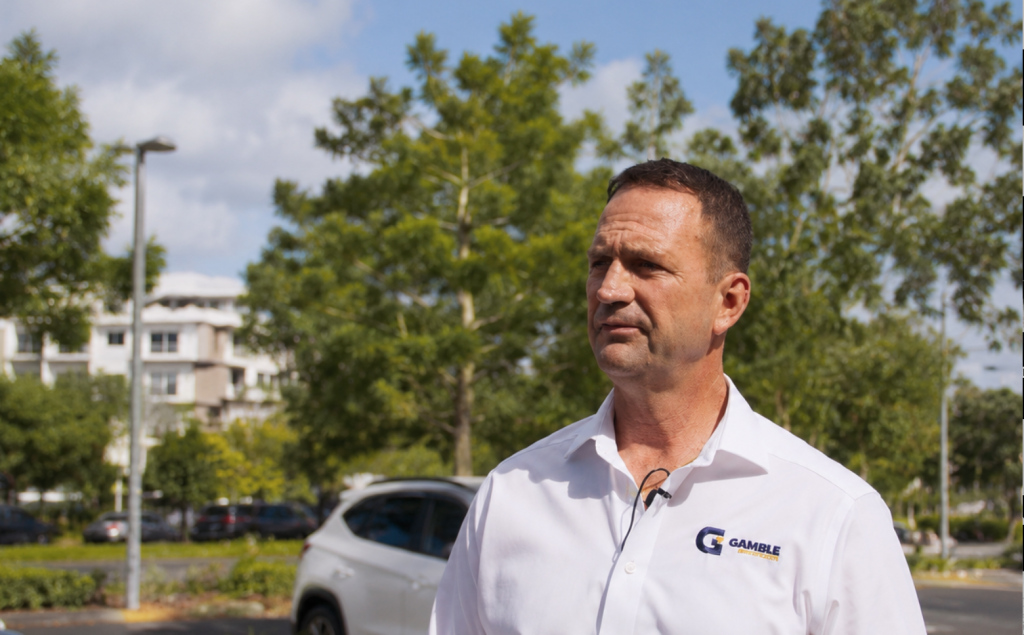
Documents matter, forensic accounting matters, and Ken Gamble’s tradecraft matters. But almost every serious investigation we have ever run began with a phone call, an email or a nervous meeting in a car park with someone who knew where the bodies were buried.
What an insider gives you that nothing else can.
A fraud like Manhattan is built to look legitimate from the outside. Investors saw glossy decks, confident returns and professional offices. Roughly US $250 million moved through the structure before it collapsed. From the street, you cannot tell a well-run fund from a well-run con.
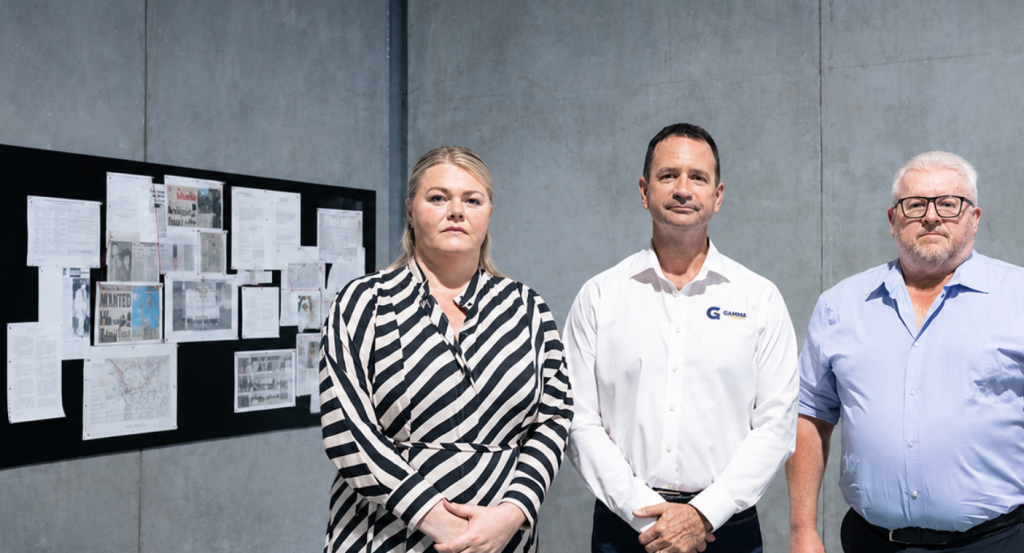
Insiders change that. Former Manhattan CEO Carol Hunter and former COO Tim Bentley sat down with us for Mr Six and explained how the business actually operated, who made the decisions and when the warning signs appeared.
Without their evidence, we would have had a pile of corporate filings and a theory. With it, we had a story that viewers could follow, and that victims could finally understand.
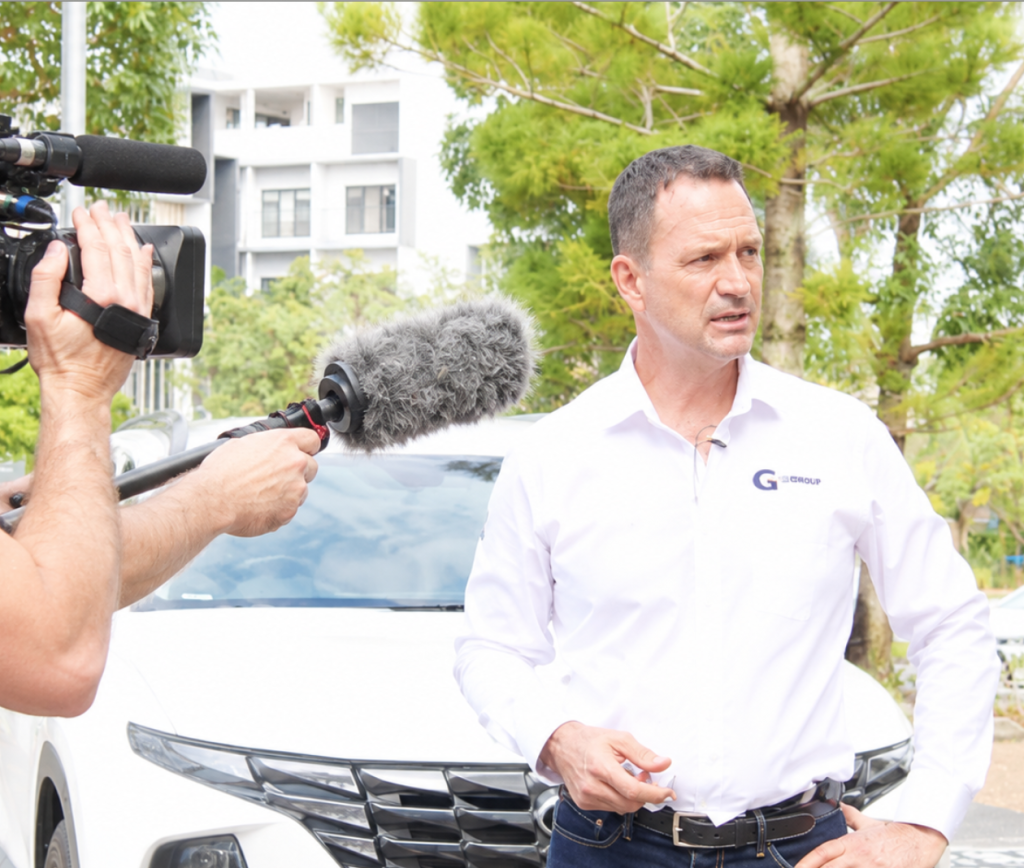
That does not mean we simply take their word for it. Decades of sitting across from sources have taught me to read the room, to notice what is said with conviction and what is said with hesitation, and to spot the person with an axe to grind.
From there the forensic work begins. We pull the company records, trace the money, cross-check dates and names and go looking for the documents that either back the story up or knock it down. A whistleblower opens the door. Verification is what lets us walk through it and publish.
Whistleblowers also give an investigation its spine of accountability. A documentary that relies only on documents can be dismissed as speculation. A documentary where people who were in the room look down the lens and describe what they saw is very hard to wave away.
The price of speaking up.
None of this is free for the people who come forward. Whistleblowers lose jobs, friendships and sometimes their professional reputations. They are threatened with defamation suits by people with far deeper pockets.
The threat of physical harm is very real too.
Some are followed, harassed or quietly blacklisted in their industry. In a fraud case, they may also carry the weight of having worked for the very operation they are now exposing, and the fear that they will be blamed for it.
Fisher himself used layers of aliases and offshore companies precisely so that nobody could pin anything on him. The people who helped us strip those layers away had no such protection. They used their real names and their real faces. That asymmetry is exactly why protection matters.
What protection should look like.
Australia has whistleblower laws on the books, but they are patchy, hard to navigate and heavily weighted towards internal corporate reporting. Someone who takes evidence of a multimillion-dollar fraud to a journalist rather than to the company that is committing the fraud often finds they have fewer legal protections, not more. That is backwards.
Journalists and documentary makers carry obligations too. We protect sources who need anonymity, we verify what we are told before we publish it and we never put someone on camera without making sure they understand what they are walking into.
Why it matters to Gamble Investigates.
Mr Six ends with Ken Gamble standing in front of Scott Fisher, who wilts under the pressure like the predatory coward that he is.
That confrontation only happened because people chose to talk. If you have information about wrongdoing and you are not sure where to take it, we want to hear from you. We will listen, we will protect you where we can and we will do the work properly. The next investigation is always one honest conversation away.
Gamble Investigates will always have Carol and Tim’s back. We are a very well-drilled team of investigators.
Real Investigations Real People.
Without their evidence, we would have had a pile of corporate filings and a theory. With it, we had a story that viewers could follow, and that victims could finally understand. ”
– Justin Armsden
EPISODE ONE WILL BE AVAILABLE SOON
Follow the story from the first lead to the discoveries that changed our understanding of what happened.
The Next Investigation Starts Here
New investigations are currently in production.
Our team is currently developing new investigations and documentary stories. Subscribe to be the first to know when new episodes are released.
"*" indicates required fields